


Usually yapping too much is seen as a bad thing. But here at fuguUX, we love yappers. And as UX practitioners and product people, you should love yappers too. Customers that love to talk your ear off are often the best for giving feedback and for communicating with to gain customer loyalty. Most of the job of the marketing department is to get customers to interact with your business, so having customers that want to communicate is always a good thing. As a business, being able to set aside your ego and hear both the criticism and the compliments of users is one of the most valuable things that you can do to make your product or service better. There’s an art to not only listening to really hearing what they have to say, to get to the heart of the issues that they’re trying to bring up.

What is a think aloud protocol?
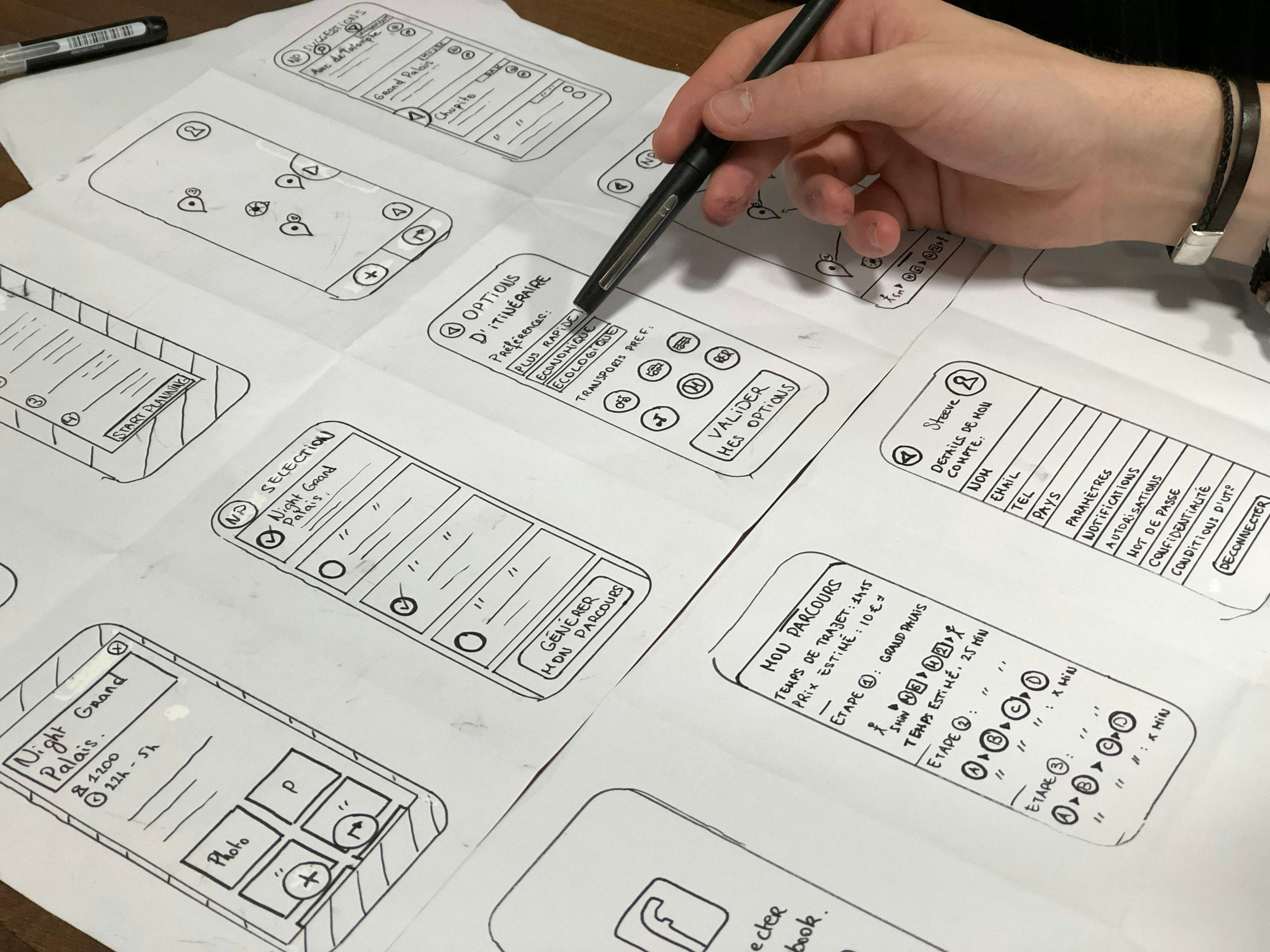
It’s sometimes hard to know what someone is thinking when they’re in the middle of doing something such as completing a task on your website. A good way to conduct research and get some direct feedback is through a process created by K. Anders Ericsson and Herb Simon. called the think aloud protocol. A think aloud protocol is a usability testing method in which participants give feedback through speaking their thoughts, decisions, and feelings aloud to the practitioner conducting the test. The researcher offers a prototype for the participant to use, and the participant is given a task to complete. The prototype can be in any sort of fidelity, and as long as you’re able to gather a steady stream of participants, it’s always better to test quickly and test often. That way, you can chase various paths with your design and experiment until you’ve found the one that best suits your users.
Types of testing
Like with different types of usability tests, there are multiple ways to conduct think aloud protocols, all with their own pros and cons. You can choose to moderate the testing which involves you being present for the think aloud protocol with the participant, and you can also conduct unmoderated testing where the participant will perform their tasks independently. Both can be conducted in-person or remotely. The benefits of conducting a moderated think aloud protocol is that the user can ask questions and receive guidance if needed. The downside of the moderated think aloud protocol is that it reduces the flexibility of testing. If you have to be present for the testing, you won’t be able to conduct many of these tests at a large scale. Unmoderated testing allows for you to have many participants tests at the same time, but there’s also a higher chance of error in self-conducted testing. Also, seeing a participant in-person and studying their body language, being able to hear their questions, etc. is often invaluable to research.
Compared to other types of usability testing, think aloud protocols can be a great flexible way to get feedback from your users. Especially when conducted remotely and without moderation, users can complete their tests without the pressure of having to set up schedules or having to change environments. Sometimes meeting a lot of new people and moving to a new location for testing can affect performance, and sometimes allowing users to conduct tests in their natural environments can actually improve the realism of responses. After all, a user is more likely to use that new food delivery app that you’re designing from the comfort of their couch, not from a sterile lab space. You can record their responses in an unobtrusive way to encourage their comfort, and you can literally see their authentic thought process.

The importance of good writing
But what if your participants aren’t yappers? What if they’re not the type to talk to themselves when doing things? After all, thinking out loud is not everyone’s cup of tea. This is where your writing skills come into play. The clearer you can make your instructions, the lower the chance of error, especially with unmoderated testing. When you provide your tasks, make sure to be concise and provide context to help guide users through the test. As with all types of usability testing, it’s important to let the user feel comfortable and build rapport. Let them know that you’re not testing their abilities but trying to test the quality of your product or service so that they will feel more willing to be vulnerable with their thoughts. If you can, try to remind them to continue to think out loud and use open-ended questions that allow them to think through their answers. Setting up an example at the beginning of the test can often help them understand your expectations.
The bigger question is - how do you recruit users? Sometimes it’s hard to get human users, especially if you’re tight on time or budget. Sometimes participant get spooked and drop out at the last second. Our Wayfinder tool comes with AI user personas that can perform tasks while you do other work. They’re able to give you their feedback through video recordings and let you know why they’re accomplishing tasks the way that they are, why they’re making a certain next step. They talk like real users, and they’re have personalities that emulate real users. They can help be the first step in your think aloud process, working alongside your rapid prototyping stages to give you feedback.