


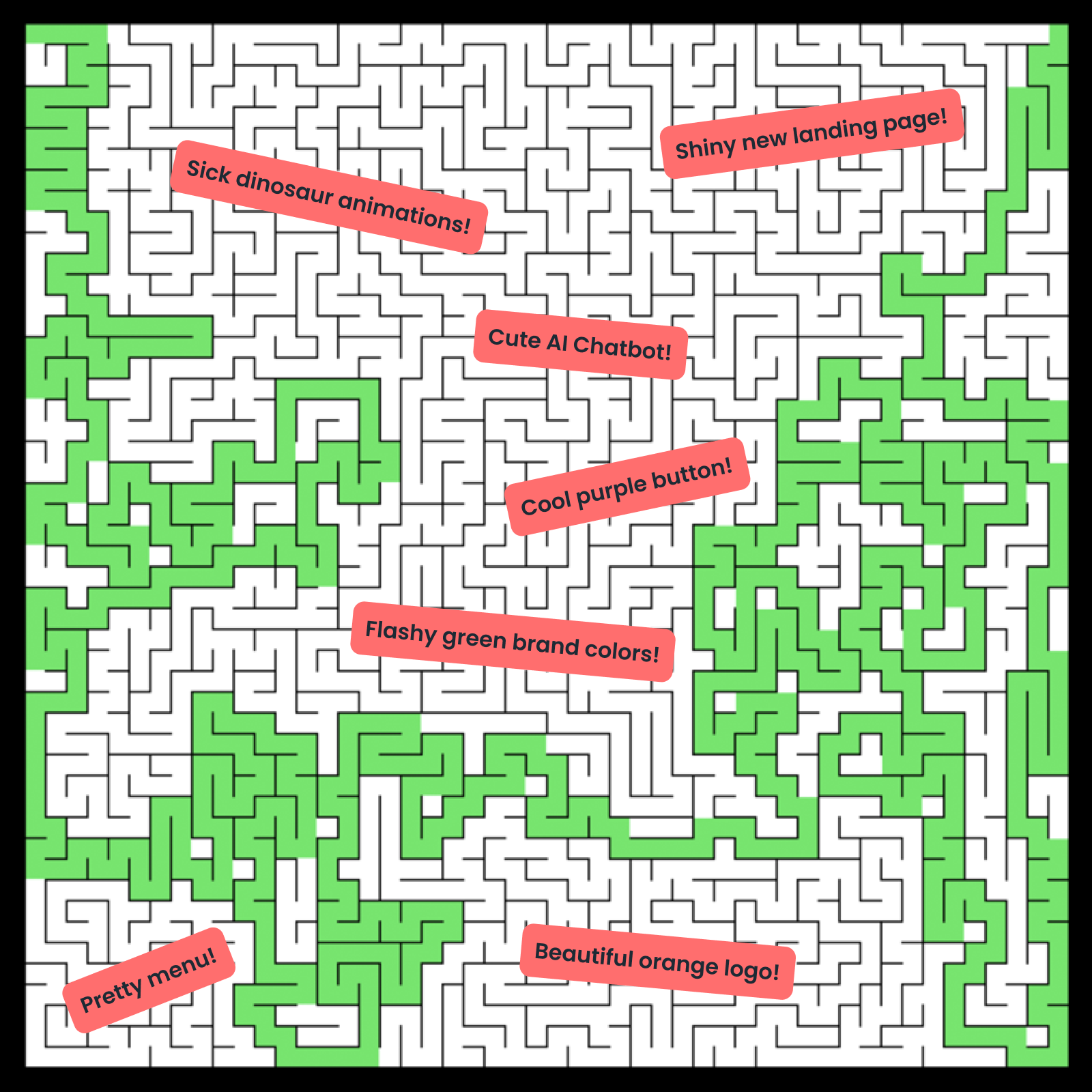
Designing sometimes feels like being in a maze with multiple exits or solutions. You as the designer may explore while not knowing what the end looks like. Like in a maze, it’s easy to get too detail-oriented and follow the wrong path. Maybe your solution is to fix a specific color of a button to increase engagement when the issue was that your navigation system as a whole was poorly designed from the start. Maybe you wanted to create an AI chatbot that could help guide your users through the complicated onboarding process when the solution was to simply design a more intuitive onboarding process.
When thinking of different elements of visual design such as color, space, and scale, it’s easy to get lost. But as a user experience designer, you have to think in even more dimensions and see the bigger picture. You have to think about how the user will interact with your design, how they might perceive it, how it might affect your product’s success. When creating a website as a designer, it’s important to keep unity in mind.
What is unity?
Unity is the design concept that all parts should work as a whole.
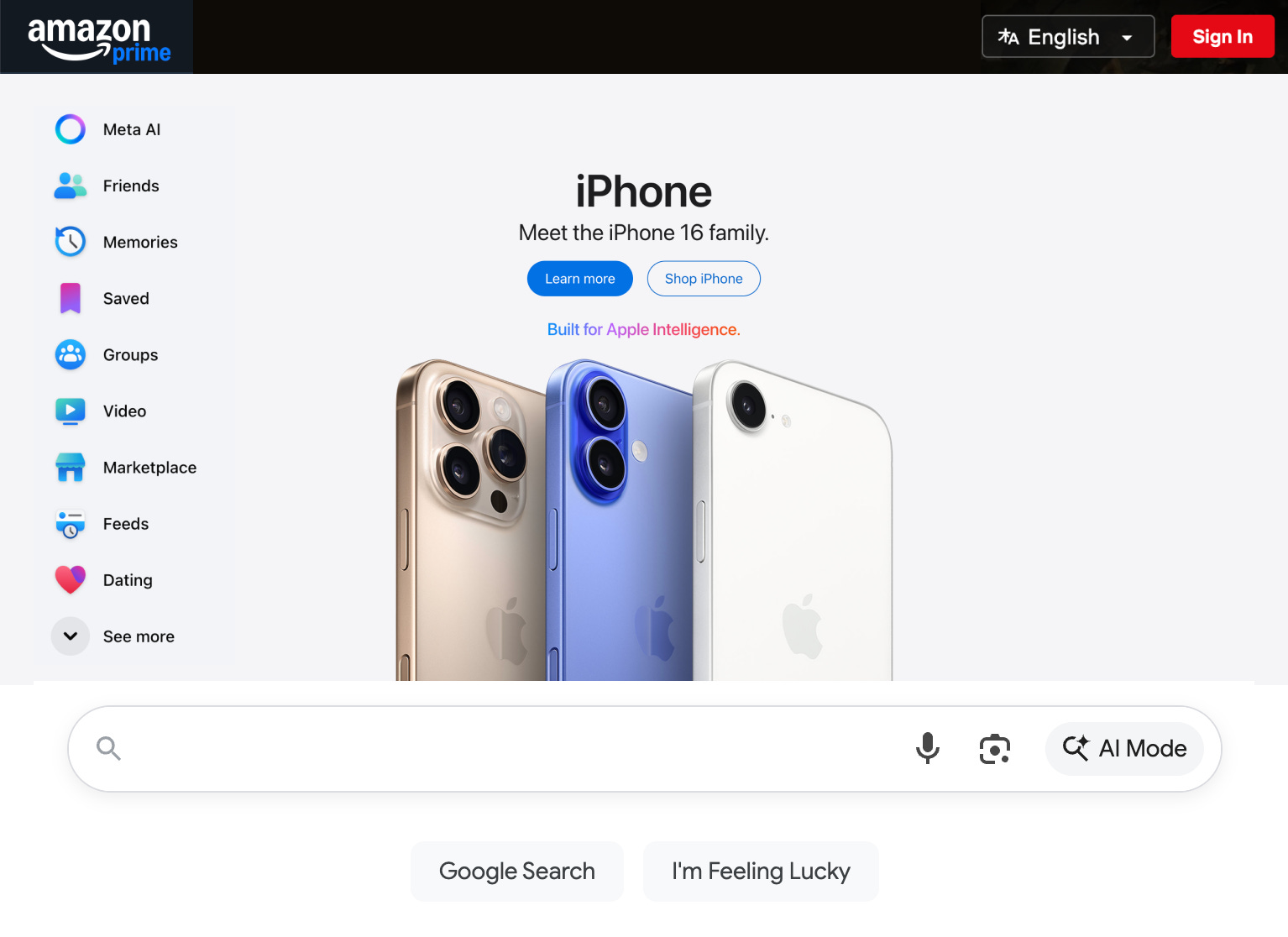
Sure, you may have designed the best-looking button or the coolest micro interaction when clicking a menu option, but does it make sense to have a cool explosion animation on your healthcare website? Even though you may have designed your brand colors, components, and microinteractions well individually, they may not work as a whole. This is where unity in design comes into play.
Why is unity important?
If designing is like being in a maze, then unity is a core principle to keep in mind to help you as you get out of that maze. Keeping unity in mind can prevent you from heading down dead ends early on, can help you save time and effort when you get to the very end of the maze. Unity keeps your website’s design harmonious, beautiful, and functional. Designing with unity in mind can help keep not only your design consistent throughout a large website, it can also increase your efficiency overall. If the design is unified and consistent, it also makes the developer’s job easier to create components consistently for the website.
Unity not only helps with having a good design and a better development process, it also improves your brand image. A unified design that is consistent and works as a whole will look more polished than a design made of many disharmonious pieces. This extra level of polish and effort put into a unified design will communicate to your customers that your website looks professional, that your business is reliable.
By improving the overall unity and balance of your website, you can also improve user comprehension. A unified design makes your website more accessible by helping users establish mental models of your content and memorize your content easier through repetition. By not throwing too many wrenches in the design, you can help your users set expectations of what they should be focusing on content-wise. Having this cohesion helps you streamline your customer experience process and have more control of where your users land in the process. Not only does unity give you more control over the user experience, being aware of the concept of unity allows you as a designer to make disharmonious elements on purpose to further fine-tune the user experience or to make an eye-catching statement. Sometimes you want to add conflicting elements of a design such as a big red button on your otherwise peaceful-looking website in order to add friction, to let the user know that the action they’re about to take is irreversible or that they’ve run into an error.

How do you achieve unity?
If you design with unity in mind at the beginning, it makes it much easier to piece together the parts at the end. Think of it as not only a concept that you can keep a mental tab on while designing but also a concept that should be incorporated in your management process. If you’re a single designer trying to design your own page, constantly ask yourself questions about how things look and feel together as a whole. Does everything look harmonious? Does everything make sense together?
Ask your coworkers, your friends, research participants more questions about your design and how they feel about it as a whole before implementing it into the development process. Ask thoughtful questions about the brand design, their perception of your brand, and parts that stick out to them. Are these parts that stick out intentionally designed on your behalf, or are they erroneous artifacts that you’ve accidentally created?
If you’re a manager of multiple designers - maybe a product manager or a design lead, you have a lot more designers to keep track of. While having more designers is more efficient and better for scaling on larger projects, poor design management practices can cause a lot of trouble down the line when your customers use your website live. Each designer may implement their ideas differently, so if you’re not careful, it’s easy to have too many cooks in the kitchen. Things you can do to keep your designs unified include adhering to a design system or a style guide, having frequent group conversations and design reviews, passing work between different designers frequently, and onboarding and mentoring designers to teach them the guidelines of how your company designs. Like with harmonious relationships, communication is key for harmonious design.
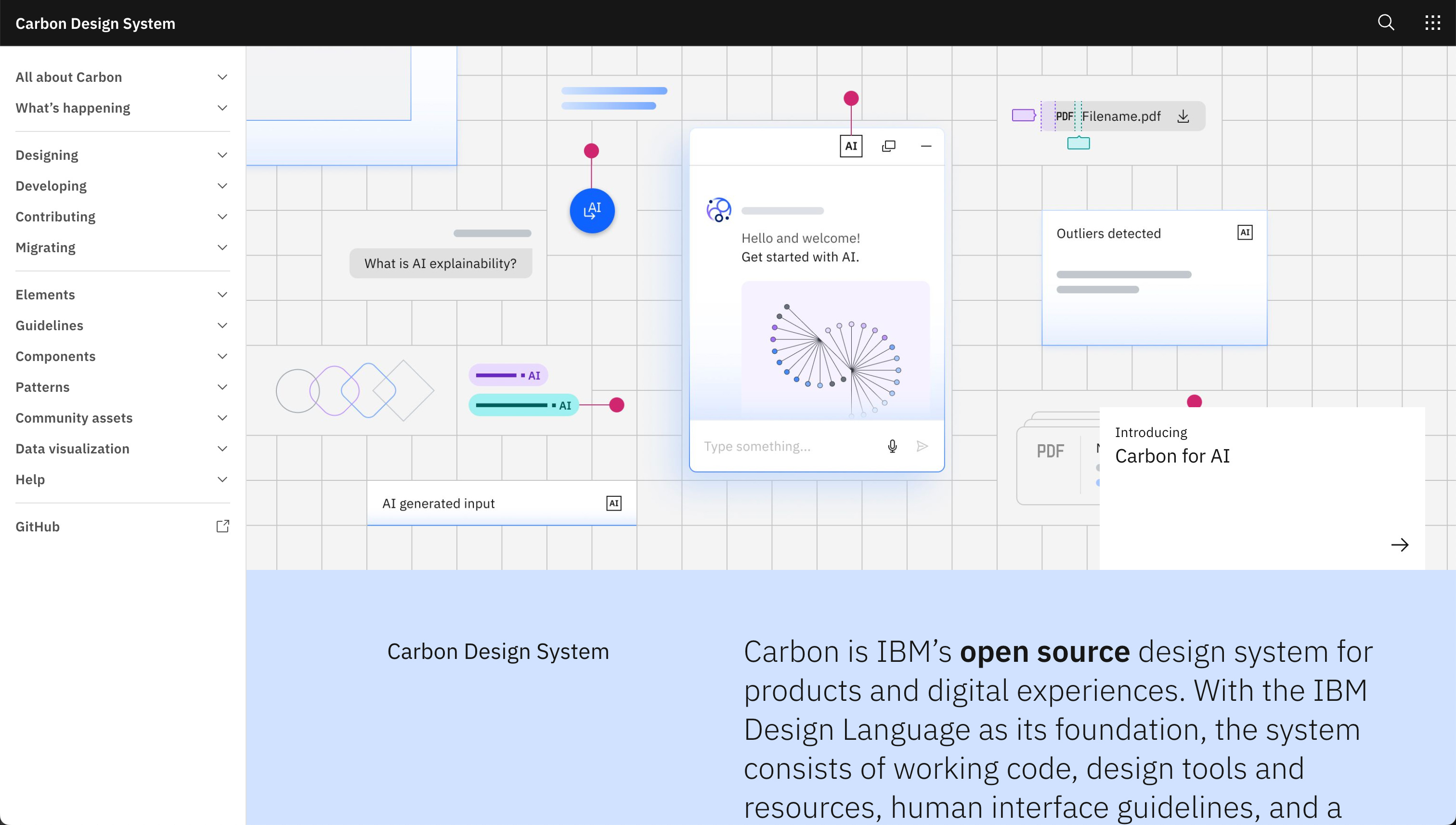
Because unity is a concept and not a strict process, there is no single way to achieve it. Achieving unity in design is not only a job for the designer but also something that can be achieved with good management techniques and mentorship. Sometimes it can be helpful to have a tool to lend a hand in speeding up the process. Sometimes you might want to catch text colors that are disharmonious or poorly-rendered graphics that ruin the visual polish of the website. Rather than spending precious hours trying to find tiny mistakes on a website that each snowball into a chaotic, discordant design, try using our Wayfinder tool to help you catch those issues. Not only can the Wayfinder catch a lot of your site’s issues, it can also give you actionable and practical advice on how to fix them.