


When we think of product managers, we often think of someone who is a bit of a Swiss Army knife. Maybe they’re someone who started off as a designer who empathized with developers and was given the management role due to their strong communication skills. Maybe they started off as in a marketing role, and then dabbled into some design, and then learned how to negotiate with their more technical stakeholders. Maybe they were just someone who stepped into the company as an introverted researcher but then realized that they had the data and the skills to back up their product decisions.
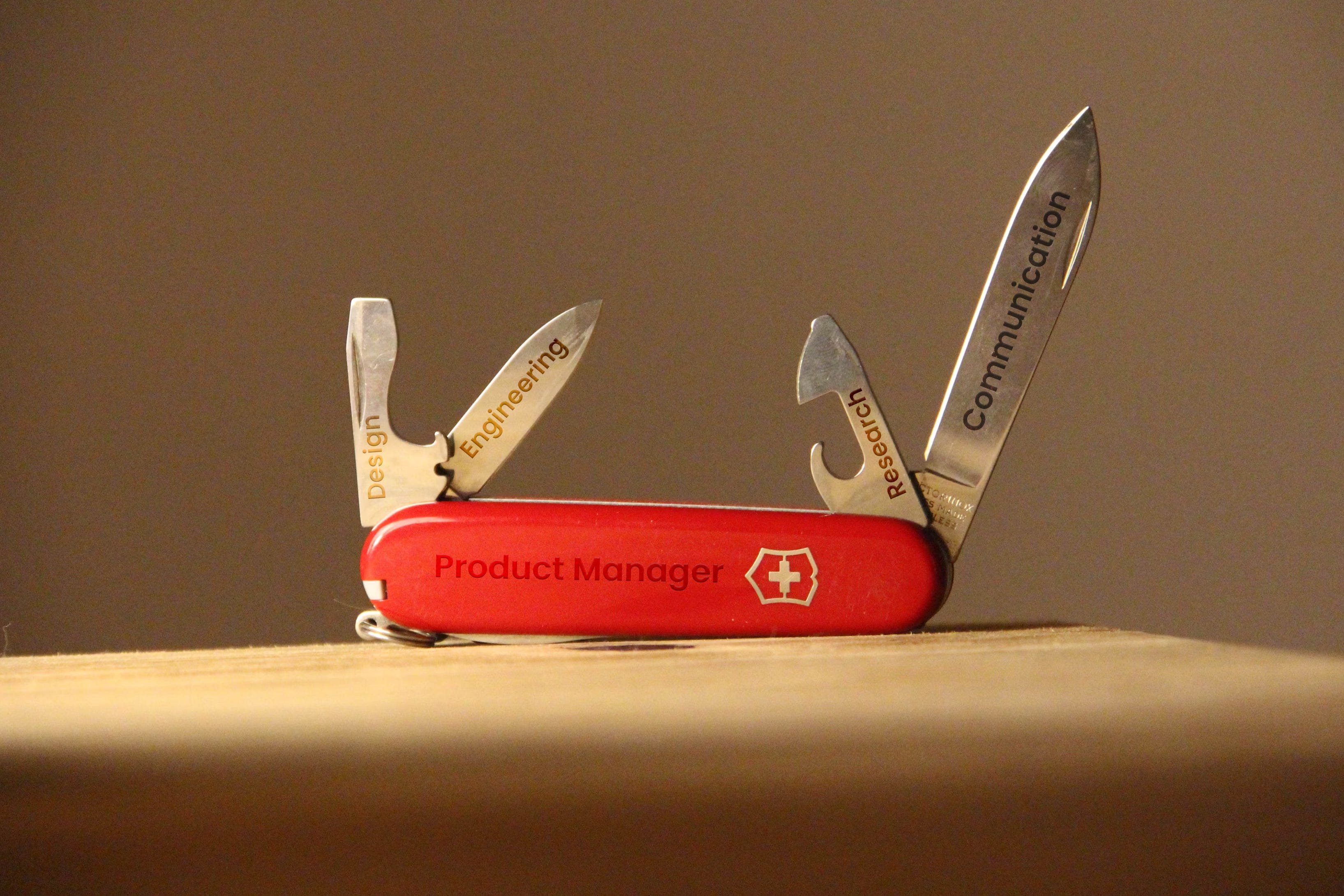
But what exactly does the product manager want, and what exactly do they do?
A product manager is someone who often defines the strategy behind the product and plans the roadmap for each sprint, someone who is the visionary behind what the product needs to meet customer needs. In different organizations, these individuals have different names - ranging from things like Product Owner to Product Strategist to Head of Product. They come in all shapes and sizes and walks of life, and often they wear more hats than they could have ever expected when they first took on the role.
Despite all the different titles and hats, they all have something very much in common. They’re often up to their necks in tasks involving either sprint planning, attending meetings with various clients, or chatting with their teams of designers and/or engineers about what they need to accomplish for their next iteration. And sometimes when things get really busy, product managers have to take it upon themselves to carry out some of those more technical tasks that their teams may not have the capacity to handle.
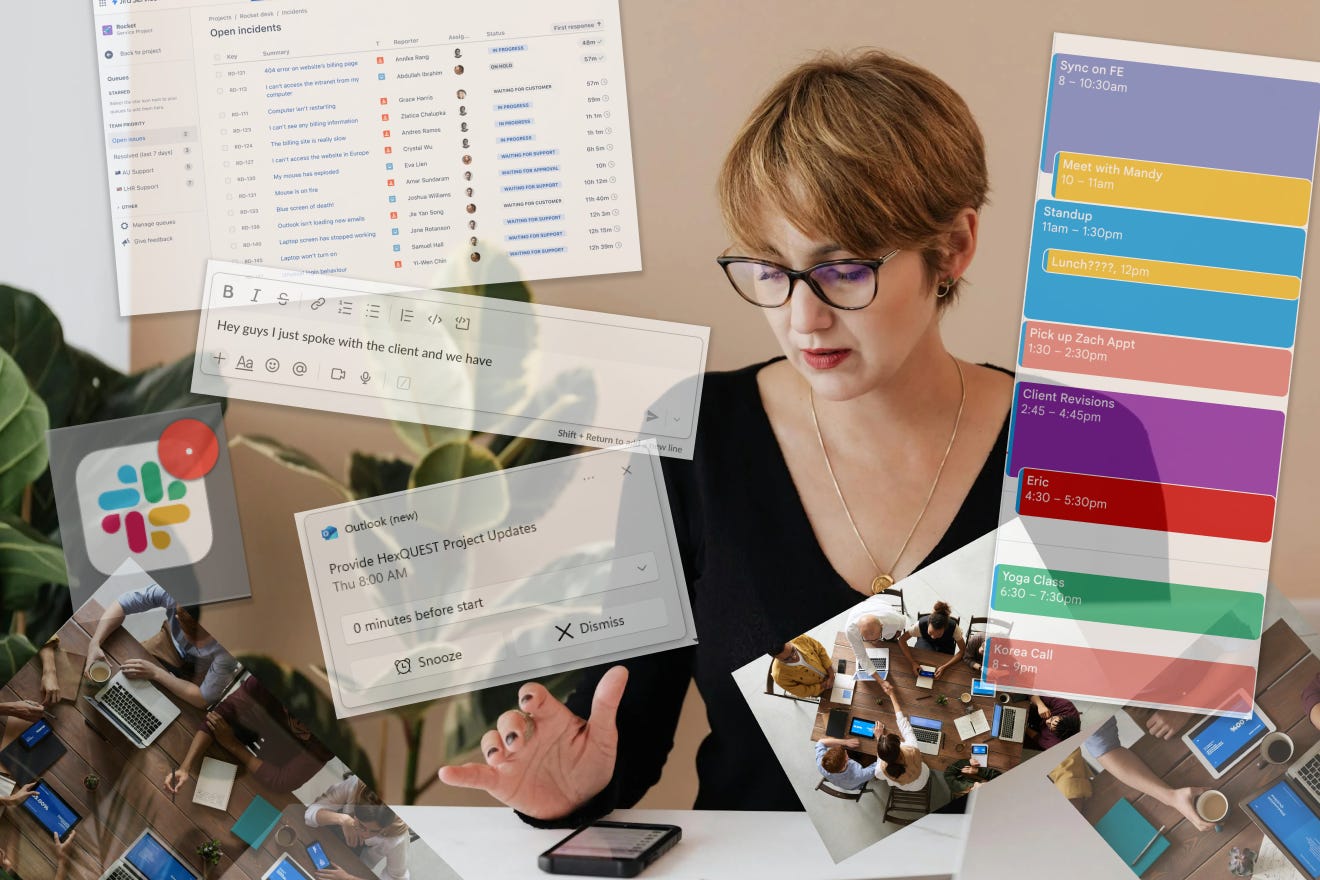
These tasks can include things like doing some quick Figma edits of the latest designs, taking on some of the coding themselves, or redesigning their latest product roadmap to readjust their timelines for the ever-rising needs of various stakeholders. Product managers are not just managers but often time travelers, constantly juggling and readjusting various tasks through different points of a project while keeping track of timelines and deadlines. With great power comes great responsibility, and unfortunately, PMs often have all the responsibility of leading the product without much power to make all necessary stakeholders contribute to the project.
Our Findings from Research
Our team at fuguUX has spoken to many product managers to truly get to the core of their needs. Through user interviews and various tests, we’ve come to the conclusion that not only do product managers need actionable suggestions and fixes to help augment their work on product, they also need a good tool that allows them to carry out the actual task of communicating with stakeholders. That’s why we have features like built-in storypoint assignment, the ability to export issues to other product management suites, as well as the ability to share graphs and other metrics with stakeholders. We believe that communication is the most difficult part of the product management job, so we’ve built this all-in-one tool to help product managers do research, come up with product improvement ideas, and communicate their ideas and reasoning to stakeholders.
Our product is more than just a website scanner. We’re a quick heuristic evaluator, an AI user tester, a productive progress tracker, a nifty sprint planner, and a positive friend that can help you every step of the way of the product management process. Think of us as the sharpener to that well-traveled Swiss Army knife. Because we understand that the “P” in “PM” doesn’t just stand for “Product.” It stands for “Productivity,” “Positivity,” and “People.” And that’s what fuguUX is all about.

Learn more about how fuguUX uses AI to uncover problems on your website that confuse and frustrate your customers!