Modular design is one of the most important innovations of the modern world. It’s a principle in design that breaks apart an overall system into modules which are interchangeable. Like with LEGOs, we can just swap out pieces of many things in the modern world to replace them.
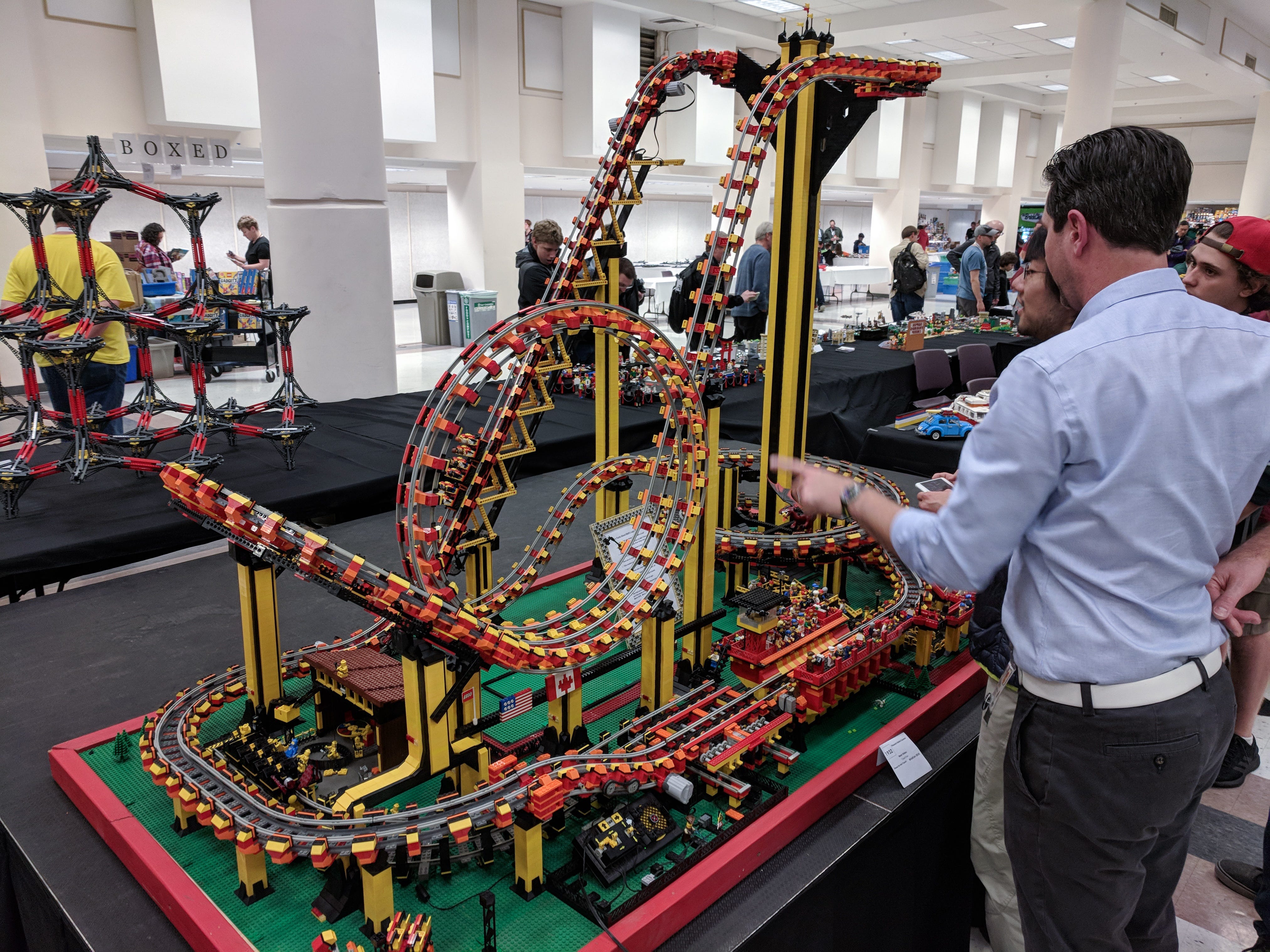
Why is this important?
Well - imagine buying a car. What adjustments do you want? Do you want the flame vinyl wrap, the sick leather seats, or the flashy chrome-rimmed wheels? Now imagine the upkeep for your car down the line. Do you need a new wheel? New engine? New brakes?

Now if all those things sound expensive to buy or replace on their own, imagine if you had to replace the entire vehicle every time you had a little issue. Suddenly, those expensive trips to the mechanic pale in comparison, don’t they? The magic in modular design is in fact the modularity - the ability to take one part like a single wheel and replace it with a different part. It allows the system to continue working in a cost effective and efficient way while also allowing for cool customizations and different variants of parts to be added into the system.
What’s also great is that designing in a modular way allows for experts in different fields to focus on their one module, and their modules can be updated with new upgrades over time independently to work with the system. In a car, this might mean a new stereo system with amazing speakers. On a website, it might mean that the landing page is updated with the art for the newest version update of a game or the newest deals of the season.

Faster, more efficient growth
Another beautiful thing about modular design is that it allows for greater growth of creators. Software often uses modular design in the form of plugins which allow creators to further enhance their ability to design, develop, and manage their output. Many designers use tools such as Figma, Adobe products, Blender, etc. with plugins to help boost their efficiency and to help them achieve their creative goals. Modular website templates also allow many authors to contribute their expertise onto a website without having to worry about designing the website themselves every time they upload new information.
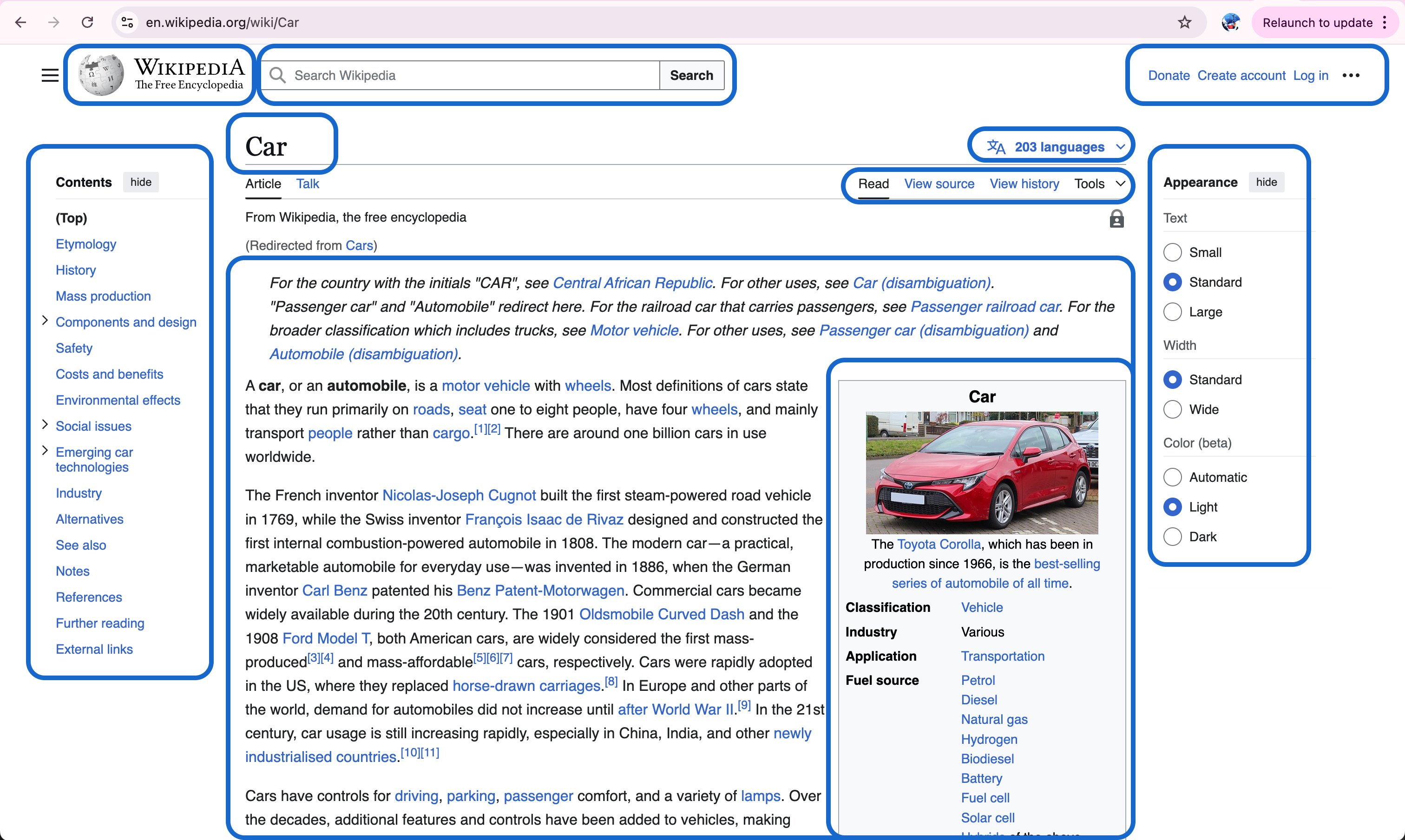
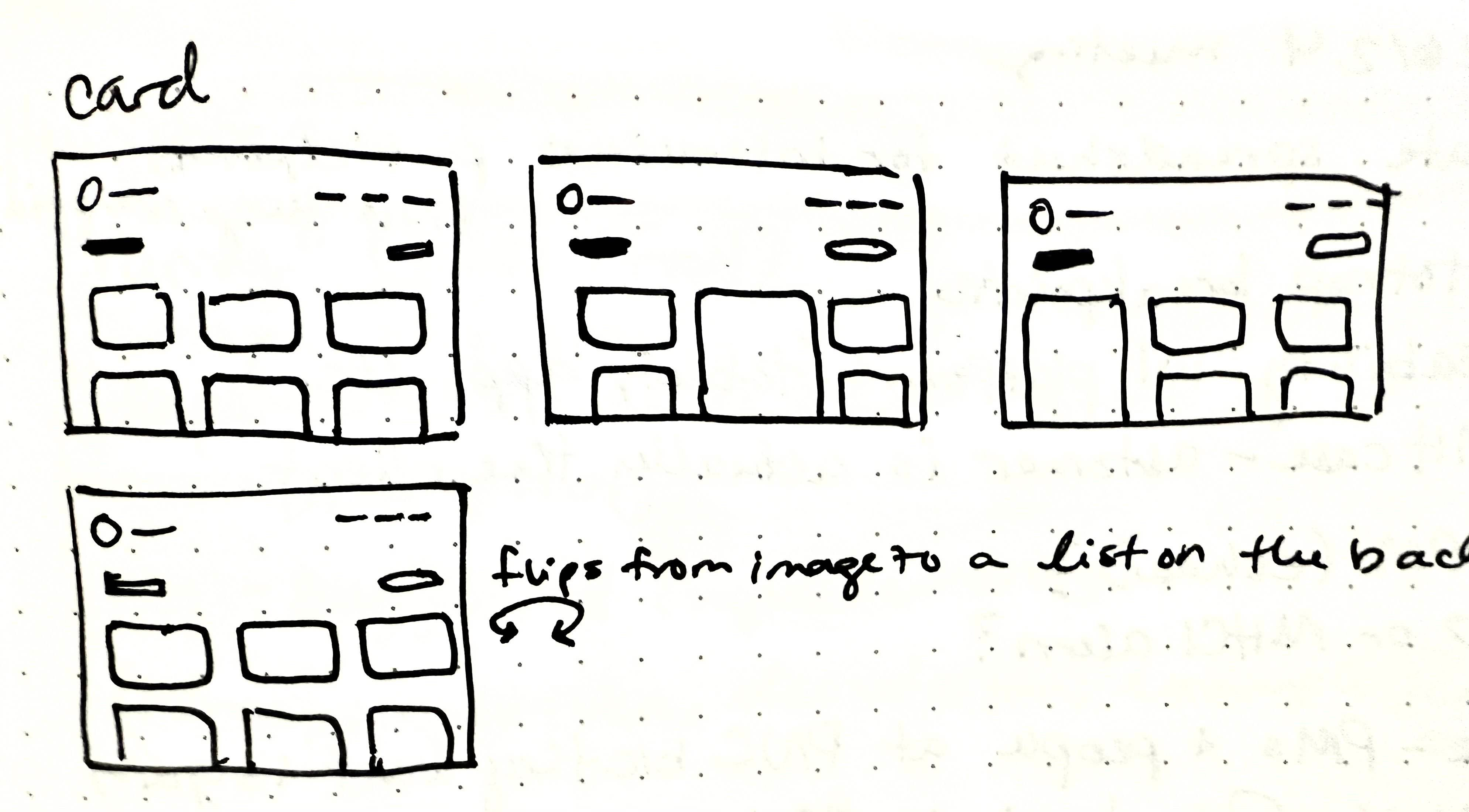
One tip for designing websites modularly is to sketch out wireframes of your website. Break it down into pieces. Do you want to have a splash image above the fold or a header and some social media icons? Do you want to have a catalog to display your products as a grid? Do you want to have a little weather widget? The WorldWideWeb is your oyster, so feel free to mix and match different parts on your website when you do these wireframe sketches.
The most difficult part of modular design is making sure that once you have all the different pieces, they all work together as a whole in the system. This can be difficult as different teams and companies often work on the different pieces, so they must follow guidelines and be compliant to rules so that their individual pieces can fit in the system. You wouldn’t want a car with an engine that doesn’t work with the rest of the car, nor would you want a website with a carousel that breaks the rest of the website. With fuguUX, you can use our Wayfinder tool to scan the different parts of your website to check if they actually work as part of the whole. We can look at the visual layout of these different parts by identifying what they are and checking different design guidelines and compliance rules. We can help you make sure all parts of your website look and feel good as a whole.