Would you rather be trapped in a convoluted spider’s web or have a great experience at an amazing resort that you don’t want to ever leave? We don’t think it’s a hard question to answer for most people.
So why do we decide to make websites that are like spider webs rather than websites that are like amazing tropical getaway resorts - fun, beautiful, exciting?
Being trapped is frustrating, being on vacation is not.
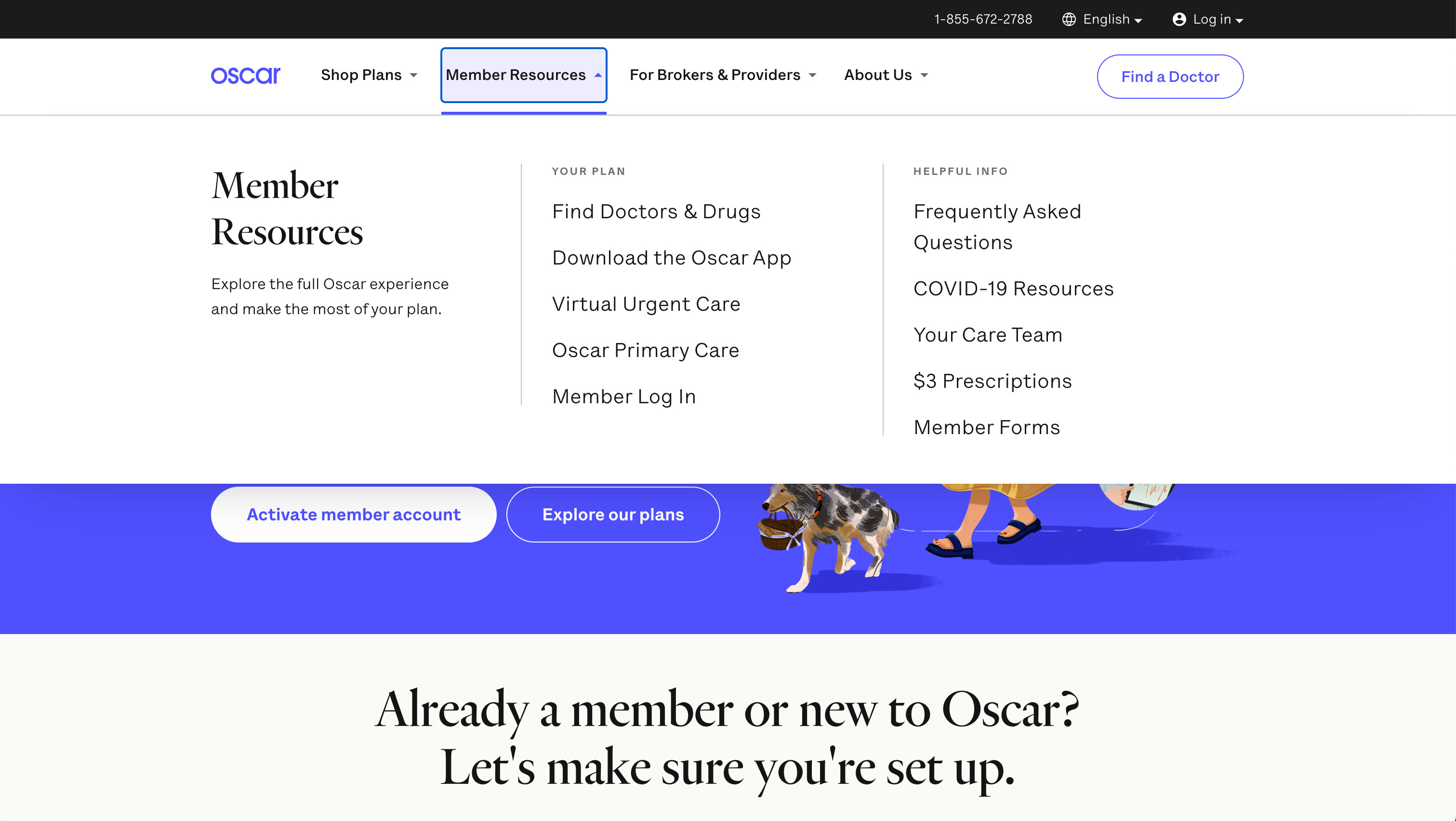
There are so many websites out there that are just frustrating and trap the user on their sites, often unknowingly, simply because of things like poorly-labeled breadcrumbs, confusing navigation menus, or illogically nested pages that are a result of a lack of structure. There are a million ways to mislead your customers into a corner of frustration on your site, and they’re all surprisingly easy to add to your website without even realizing it. These things can trap someone on their websites in a very negative way. Having a confusing-to-navigate and poorly-organized website causes people to lose trust in your business and to have a negative first impression. There’s a good reason why people spend a lot of time and money at resorts!

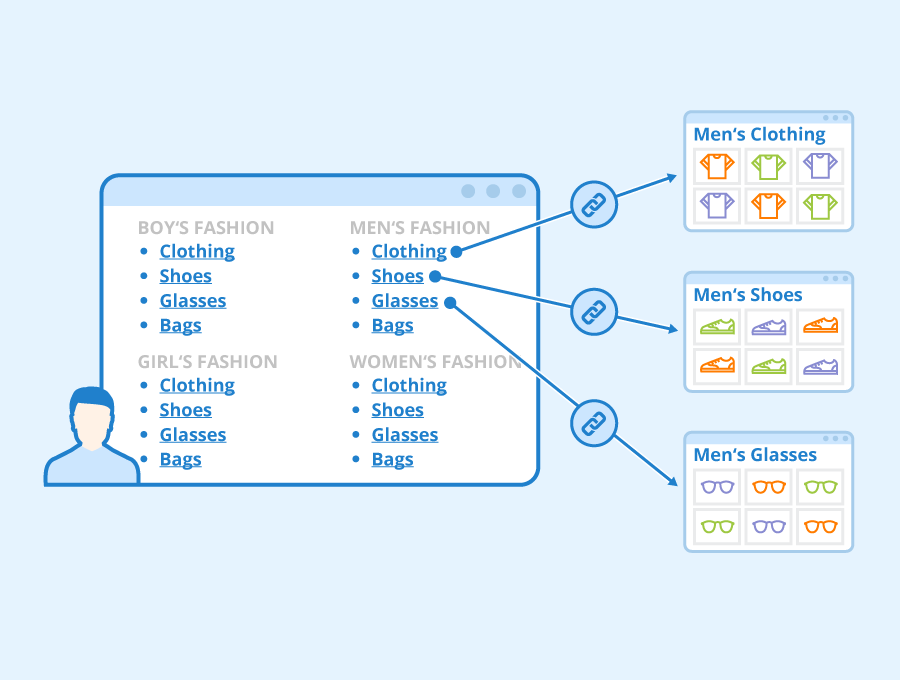
That’s why information architecture is more than just about organizing information on a page. For a website, it’s about creating a sensible structure based on design, architecture, and information science principles to help you create the best experience possible for your users. Good information architecture can create a solid foundation to guide your users through your website the way you intended it to be experienced. After all, you don’t need any architectural principles to build a messy spider web. But you do need architectural principles to design a beautiful resort that your guests will want to stay at.
How do you start restructuring?
When given the option of creating a great website, of course it’s easier said than done. Making a website that’s delightful, approachable, and functional for everyone to use takes a lot of manpower and attention to detail. You can improve your site’s information architecture by mapping out all the pages of your website on paper just to visualize the structure of your website for a user. Like with all good UX exercises, this can take some time especially for larger websites. We can help you save some time and go ahead and pinpoint some of the problems!
That’s why our scanner can help you catch all those little details that make up a great website. Think of fuguUX as a helpful friend that can give you great practical advice. Our AI-enabled scanned is powered by the minds of our User Experience, Human-Centered Design, and Machine Learning experts. We can give you iterative feedback and critique your website’s blueprints to help you improve your website’s core foundation.
So take a dive into your website and see how you can create a paradise for your customers!